


Maintaining hygiene in fabrics is crucial for both safety and durability, especially for materials used in personal care products. Non woven hygiene fabrics are widely used in items like sanitary napkins, medical wipes, and disposable protective sheets. At Winner Nonwovens, we produce high quality non-woven fabric rolls that are designed for reliability and ease of use in non-woven hygiene products. Understanding the proper ways to clean these fabrics ensures that they remain effective and safe for repeated or prolonged use.
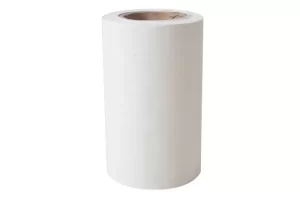
Understanding Non Woven Hygiene Fabrics
Non woven fabrics are made by bonding fibers together using mechanical, thermal, or chemical processes rather than traditional weaving or knitting. This structure makes them soft, strong, and highly absorbent. They are commonly used in hygiene products because they provide excellent fluid management, breathability, and comfort.
Before attempting any cleaning, it is important to recognize that not all non-woven hygiene fabrics are designed to be washed. Many are intended for single use, and washing them could compromise their structural integrity and absorbent properties. For reusable non-woven fabrics, gentle cleaning methods are recommended to maintain their performance.
Gentle Cleaning for Reusable Non Woven Fabrics
For non-woven hygiene fabrics that can be reused, the first step is to remove surface dust or debris. We suggest shaking off loose particles or using a soft brush. This prevents dirt from embedding deeper into the fibers during washing.
Hand washing is the safest method. Use lukewarm water with a mild detergent to avoid damaging the fiber bonds. Submerge the fabric briefly and gently agitate it to release dirt. Avoid scrubbing or wringing the fabric, as this can weaken the fibers and reduce absorbency. After washing, rinse thoroughly to remove all soap residues.
Drying and Storage Tips
Proper drying is essential for maintaining the quality of non-woven hygiene fabrics. Lay the fabric flat on a clean surface or hang it in a well ventilated area away from direct sunlight. Excessive heat or sunlight can cause fibers to shrink or lose strength.
Once completely dry, store the fabric in a clean, dry environment to prevent contamination. Using airtight containers or sealed bags is ideal for hygiene products. For non-woven fabric rolls used in production, storing them in their original packaging or covering them with protective material helps maintain cleanliness and usability.
Precautions for Cleaning
While cleaning can extend the life of reusable non-woven hygiene fabrics, it is important to note that some fabrics are designed for one time use only. Attempting to wash these items can reduce effectiveness and increase the risk of contamination. Always check product guidelines or consult the manufacturer when in doubt.
Conclusion
Cleaning non-woven hygiene fabrics requires attention to the material’s structure and intended use. At Winner Nonwovens, we ensure that our non-woven fabric rolls meet high standards for safety, durability, and performance. By following gentle washing and proper drying techniques, reusable non-woven hygiene products can maintain their absorbency, softness, and reliability. Proper care not only enhances the lifespan of these fabrics but also supports safe and hygienic use in everyday life.