


When it comes to fabrics, knowing what you are working with makes a big difference in both comfort and durability. Many people look for 100 % pure cotton fabric, also referred to as 100 cotton fabric, for its softness, breathability, and natural feel. At Winner Nonwovens, we understand the importance of being able to identify authentic cotton materials, whether for garments, home textiles, or industrial use. Here, we explore reliable methods to determine if a fabric is genuinely 100 % cotton.
Understanding 100 % Cotton Fabric
100 % cotton fabric is made entirely from cotton fibers without any synthetic blends. This type of fabric is favored for its comfort, hypoallergenic properties, and moisture-absorbing qualities. It differs from blended fabrics, which often mix cotton with polyester or other synthetic materials to reduce costs or increase stretch. Identifying true cotton ensures that you experience the qualities you expect and make informed purchasing decisions.
Visual Inspection Techniques
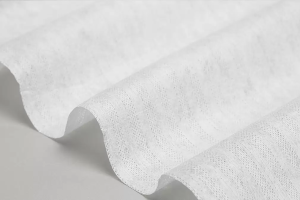
One of the first steps in recognizing 100 pure cotton fabric is through a close visual examination. Cotton fibers generally have a natural matte appearance. The weave is uniform, but small irregularities may be visible, indicating that it is made from natural fibers rather than synthetic ones. Checking the edges and frays of the fabric can also provide clues. Cotton tends to fray in a soft and fibrous manner, unlike synthetic fibers, which may melt or have a shiny finish.
Touch and Feel
The texture of 100 % cotton fabric is distinctive. When you run your fingers over it, the material should feel soft and slightly warm. Cotton has a natural elasticity that allows it to return to shape after stretching, though it does not snap back as quickly as elastic fibers. Unlike synthetic fabrics, it also absorbs moisture easily, which can be tested by placing a small drop of water on the surface. Pure cotton will absorb the liquid slowly and evenly.
Burn Test for Verification
A simple but effective method to test cotton authenticity is the burn test. Take a small sample of the fabric and carefully expose it to a flame. Cotton fibers burn steadily and produce a soft ash, often smelling like burning paper. Synthetic fibers, in contrast, melt, curl, and emit a chemical odor. Please note that safety precautions must be observed when performing this test.
Checking Labels and Certifications
While hands-on methods are useful, labels and certifications provide additional assurance. Look for clear labeling from reputable manufacturers like Winner Nonwovens that specify 100 % cotton fabric. Certifications related to organic cotton or standardized testing can confirm that the fabric meets industry standards for purity and quality.
Conclusion
Identifying 100 % cotton fabric requires careful observation and practical testing. By using visual, tactile, and simple burn test methods, you can distinguish authentic cotton from blends or synthetic alternatives. Choosing genuine cotton not only ensures comfort and durability but also guarantees that you are making an informed choice. At Winner Nonwovens, we are committed to providing high-quality 100 % pure cotton fabric for a wide range of applications. Understanding the characteristics of true cotton empowers you to select materials with confidence.