


Non woven dressing rolls are essential in medical care and personal hygiene, providing reliable coverage and protection for wounds. At Winner Nonwovens, we produce high quality non-woven fabric rolls and nonwoven rolls that are widely used in hospitals, clinics, and home care settings. Understanding how to use these dressing rolls correctly ensures effective wound protection and promotes faster healing.
Understanding Non Woven Dressing Rolls
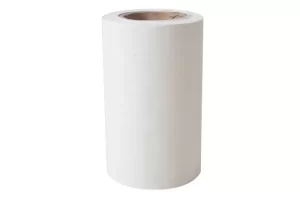
Non woven dressing rolls are made from fibers bonded together through mechanical, thermal, or chemical methods, forming a soft and breathable fabric. This construction allows them to absorb fluids while remaining gentle on the skin. Unlike traditional woven bandages, non-woven dressing rolls do not fray or unravel, making them easier to handle and apply.
These dressing rolls are commonly used for covering cuts, abrasions, surgical wounds, and minor burns. They can also serve as secondary dressings to secure pads or ointments in place. The nonwoven rolls from Winner Nonwovens are designed to meet hygiene standards, ensuring safe and effective use in various healthcare applications.
How to Apply a Non Woven Dressing Roll
Proper application is key to maximizing the benefits of a non-woven dressing roll. First, clean the wound area thoroughly and apply any recommended antiseptic or ointment. Next, gently unroll the non-woven fabric roll and place it over the wound.
Wrap the dressing evenly without applying excessive pressure. The fabric’s flexibility allows it to conform to body contours, which helps keep it in place while maintaining comfort. If necessary, secure the roll with medical tape or clips to prevent slipping.
Tips for Effective Use
When using non-woven dressing rolls, it is important to avoid contamination. Always wash your hands before handling the fabric and ensure that the dressing remains clean. Change the dressing according to medical advice or when it becomes saturated with fluid.
Non woven dressing rolls are also suitable for patients with sensitive skin. Their soft texture reduces the risk of irritation, while the absorbent properties help maintain a dry environment that supports healing. For healthcare providers, using non-woven fabric rolls ensures consistency and reliability across multiple applications.
Storage and Handling
To maintain the quality of non-woven dressing rolls, store them in a dry, clean environment away from direct sunlight and moisture. Avoid compressing the rolls to preserve their shape and absorbency. Proper storage is especially important for bulk nonwoven rolls, which are often used in medical facilities and emergency kits.
Conclusion
Non woven dressing rolls offer a practical and reliable solution for wound care. At Winner Nonwovens, we focus on producing non-woven fabric rolls and nonwoven rolls that combine softness, strength, and absorbency to meet healthcare standards. By understanding how to apply and care for these dressing rolls, caregivers and patients can ensure effective protection, comfort, and hygiene in everyday medical care.