


Nonwoven fabrics have become an important part of many industries, providing functional materials that differ from traditional woven or knitted textiles. Many people wonder about the main types of nonwoven fabric and how each type is created. At Winner Nonwovens, we focus on supplying high-quality organic cotton fabric wholesale and cotton nonwoven materials suitable for a variety of applications. Understanding the different types of nonwoven fabric can help businesses select the right material for their needs.
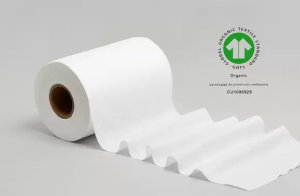
What Are Nonwoven Fabrics
Nonwoven fabrics are made by bonding or entangling fibers together, rather than weaving or knitting. This process allows the production of fabrics with unique properties such as absorbency, softness, durability, and filtration capabilities. Cotton nonwoven fabrics combine the natural qualities of cotton with the structural benefits of nonwoven technology, making them ideal for personal care, healthcare, and household products.
Three Main Types of Nonwoven Fabric
Nonwoven fabrics are generally classified into three main types based on the production method: spunbond, meltblown, and needle-punched or mechanically bonded fabrics. Each type has distinct characteristics and uses.
Spunbond Nonwoven Fabric
Spunbond nonwoven fabric is made by extruding continuous filaments and bonding them together with heat, pressure, or chemical processes. This type of fabric is strong, lightweight, and resistant to tearing, making it suitable for applications such as reusable masks, protective clothing, and agricultural coverings. For cotton nonwoven production, organic cotton fibers can be incorporated to maintain natural softness and comfort while offering functional strength.
Meltblown Nonwoven Fabric
Meltblown nonwoven fabric is produced by extruding fine filaments and using high-velocity air to form a web of fibers. This type has excellent filtration properties and is commonly used in medical masks, filters, and absorbent materials. While meltblown fabrics are often synthetic, combining them with cotton nonwoven layers can improve softness, biodegradability, and comfort for certain applications.
Needle-Punched or Mechanically Bonded Fabric
Needle-punched or mechanically bonded fabrics are created by entangling fibers using needles or other mechanical methods. This process produces a dense and durable fabric suitable for cleaning wipes, geotextiles, and automotive materials. Cotton nonwoven fabrics produced through mechanical bonding maintain the natural feel and absorbency of cotton, making them ideal for hygiene and personal care products.
Benefits of Choosing Organic Cotton Nonwoven Fabrics
Using organic cotton in nonwoven production combines environmental responsibility with high performance. Organic cotton fabric wholesale ensures that fibers are grown without harmful chemicals, providing safe and biodegradable materials for various industries. Partnering with Winner Nonwovens guarantees consistent quality and reliable supply for businesses looking to incorporate natural fibers into nonwoven applications.
Conclusion
Nonwoven fabrics come in three main types: spunbond, meltblown, and needle-punched or mechanically bonded. Each type serves different purposes, from filtration and protective clothing to hygiene and industrial uses. Integrating cotton into nonwoven production creates cotton nonwoven materials that maintain natural softness, absorbency, and comfort. At Winner Nonwovens, we provide organic cotton fabric wholesale and a variety of cotton nonwoven products, supporting businesses that require functional, sustainable, and high-quality textile solutions.