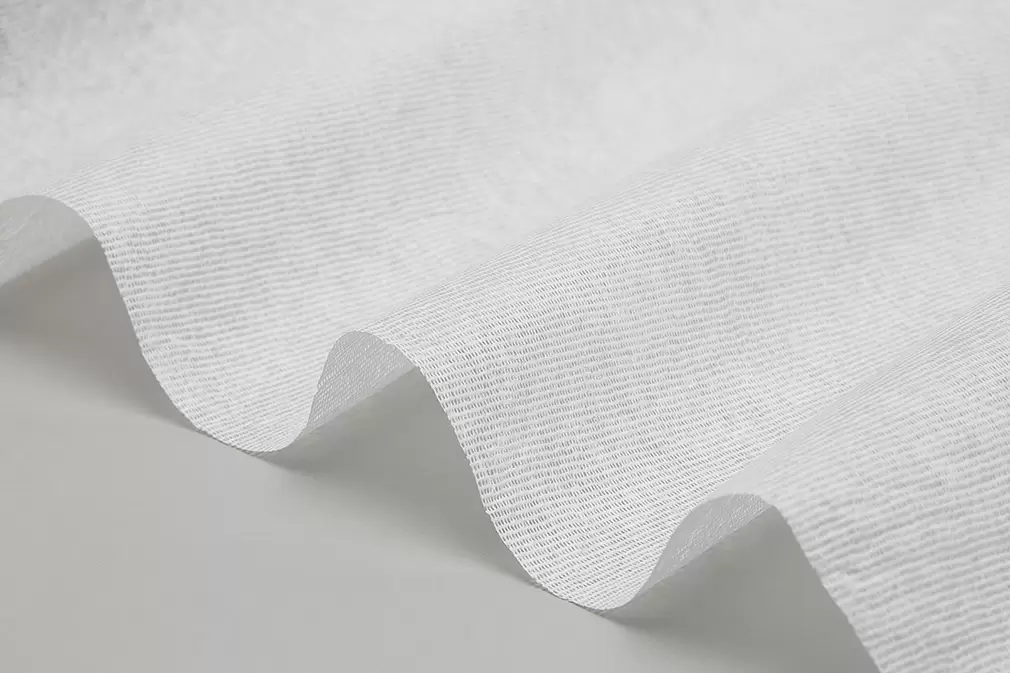


Softness, safety, and breathability are no longer optional for hygiene and personal care products. From baby wipes and cosmetic to high-ends medical care and disposable hygiene items, cotton nonwoven fabric is a preferred eco-friendly material.
However, finding the right cotton nonwoven fabric for your product line can be challenging. Prices vary widely, and quality isn’t always obvious. How do you identify the best option?
This guide will explore technical specifications and quality indicators to help you make an informed decision when sourcing this natural cotton fabric.

What is Cotton Nonwoven Fabric?
Cotton nonwoven fabric is a textile-like material made from fibers that are bonded together by mechanical, chemical, or thermal processes, not by weaving or knitting. This differentiates it from traditional woven natural cotton fabric, giving it unique properties.
Compared with traditional woven fabrics, cotton nonwoven fabric offers faster production, excellent liquid management, and cost-effectiveness. Compared with synthetic nonwoven fiber materials, cotton-based nonwovens are more skin-friendly and biodegradable.
1. Production Processes of Cotton Nonwoven Fabric
Several manufacturing methods are used to produce cotton nonwoven fabric. Each process affects texture, strength, and cost:
- Spunlace:High-pressure water jets entangle fibers, creating a very soft, strong, and lint-free fabric. It requires no chemical binders, ideal for skin-contact products.
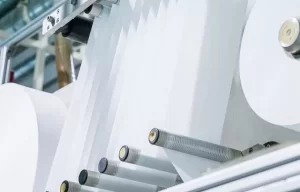
- Airlaid:Fibers are carried by an air stream and laid onto a moving belt, then bonded with thermal binders. This is often used for thicker, highly absorbent structures.
- Wetlaid:Similar to papermaking, fibers are suspended in water and then laid out to form a web. This is ideal for flushable or dispersible products.
- Needle-punched:Needles interlock the fibers mechanically. These fabrics are stronger but rougher. It’s generally used for heavier industrial or filtration applications.
2. Characteristics of High-Quality Cotton Nonwovens
When you choose natural cotton fabrics produced via nonwoven methods, you gain several advantages:
- Water Absorbency and Breathability:Cotton can hold up to several times its weight in water. The porous nature of the nonwoven structure allows for excellent air circulation.
- Softness:Cotton is naturally gentler on the skin compared to synthetic fibers like polyester or polypropylene.
- Durability:Advanced spunlace nonwoven fabric manufacturing ensures that the material maintains high tensile strength in both dry and wet states.
- Lint-free:High-quality processing ensures that the fibers are tightly entangled, preventing shedding, which is a critical requirement for medical, electronic cleaning, and personal care
How to Choose Cotton Nonwoven Fabric?
Choosing isn’t one-size-fits-all. It requires a balance of raw material knowledge and technical application.
1. 100% Cotton Nonwoven Fabric vs. Blended Fabrics
Not all cotton nonwoven fabric is made from pure cotton. Some products blend cotton with viscose or polyester nonwoven fiber to reduce cost, which may sacrifice softness, breathability, and biodegradability.
Pure natural cotton fabric offers the highest biocompatibility, softness, and eco-friendly appeal. For products used on premium skincare, baby care, and sensitive medical use, 100% cotton nonwoven fabric is strongly recommended.
2. Comparing Manufacturing Processes
The table below summarizes how different manufacturing techniques impact the final product:
| Process | Spunlace | Airlaid | Wetlaid | Needle-punched |
| Core Mechanism | High-pressure water jets | Air-stream fiber deposition | Water-suspension | Mechanical needle interlocking |
| Key Advantages | Extremely soft, lint-free, no chemicals | High bulk, high absorption | High uniformity, flushable options | High thickness, strength, and density |
| Typical Applications | Baby wipes, facial towels, cosmetic, sanitary napkins, wound dressings, medical gauze, aerospace | Sanitary napkin cores, absorbent pads | Flushable wipes, specialty filters | Industrial or filtration applications |
3. Safety and Certification Standards
When sourcing high-quality cotton fabric, certifications are non-negotiable. Look for:
- OEKO-TEX:Ensures the fabric is free from harmful substances and safe for skin.
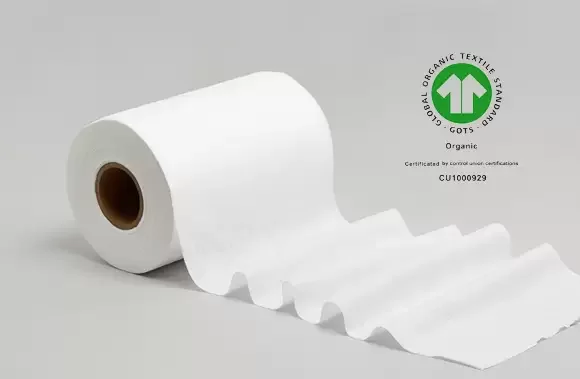
- GOTS:Validates the organic status of the cotton from harvest to labeling.
- Fluorescent-Free:Ensure the manufacturer does not use optical brighteners, which can cause skin irritation.
4. Surface Texture
Modern spunlace nonwoven fabric manufacturing allows for various surface treatments to enhance functionality:
- Plain: Smooth and soft, ideal for sensitive skin.
- Mesh: Increases friction for better cleaning efficiency in wipes.
- Hydroentanglement Patterning: Custom patterns foraesthetics, and improved liquid distribution.
- Micro-perforation: Enhances breathability and aesthetic appeal.
- Customized Patterns: For branding and differentiation.
5. Applications: Considering the Use-Case
- Daily Cleaning: Facial towelsand cotton pads require cotton spunlace nonwoven fabric for its lint-free, absorbent, and soft properties.
- Medical Protection: Surgical gowns and wound dressings benefit from the high strength, sterilization compatibility, comfortable, skin-friendly, and sweat-absorbing propertiesof cotton.
- Pregnancy and Baby Care: Diaper liners and nursing pads must be 100% natural to prevent rashes and allergic reactions.
- Hygiene Care: Feminine hygiene products use cotton for the top sheet to ensure a “stay-dry” feeling and maximum breathability.
How to Choose Pure Cotton Spunlace Nonwoven Fabric Suppliers?
The quality of your final product is only as good as your supplier’s capabilities. When evaluating a partner for cotton spunlace nonwoven fabric, consider these critical factors:
- Rigorous Quality Control: In-house labs for grammage, tensile strength, absorbency, and safety testing.
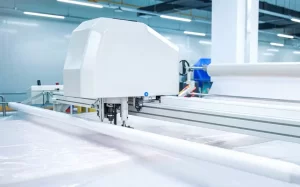
- Proven Production Capacity: Ability to meet large and consistent orders without quality fluctuations, reducing lead-time risks
- Supply Chain: Control over raw cotton, processing, and finishing improves traceabilityand quality reliability.
- Customization Expertise: Can they adjust weight, size, texture, and packaging to your exact needs? True partnership means tailored solutions.
Winner Nonwovens: Your Trusted Partner
Winner Nonwovens specializes in 100% cotton spunlace nonwoven fabric manufacturing. We operate a full supply chain, from raw cotton processing to the finished product.
We manufacture both 100% cotton and 100% organic cotton spunlace nonwoven fabrics. There are various optional patterns, including non-aperture, aperture (8-36) mesh, and customized ones. Our cotton nonwoven fabric is available in a weight range from 30gsm to 200gsm, with fabric widths ranging from 5.5cm to 200cm and roll diameters between 50cm and 100cm.
Winner Nonwovens also manufactures sanitary napkins, baby wipes, cotton pads, surgical gowns, disposable face towels, etc., all made of 100% cotton nonwoven fabric.
With certifications like OEKO-TEX, GOTS, Cotton USA, etc, Winner Nonwovens supports brands worldwide in delivering safe, effective, and sustainable products.
Conclusion
Selecting the ideal cotton nonwoven fabric involves balancing fiber quality, manufacturing processes, specifications, and safety certifications.
By prioritizing 100% natural materials and verified suppliers like Winner Nonwovens, you ensure product excellence and consumer trust. Ready to elevate your product line with high-quality nonwovens? Contact Winner Nonwovens today.