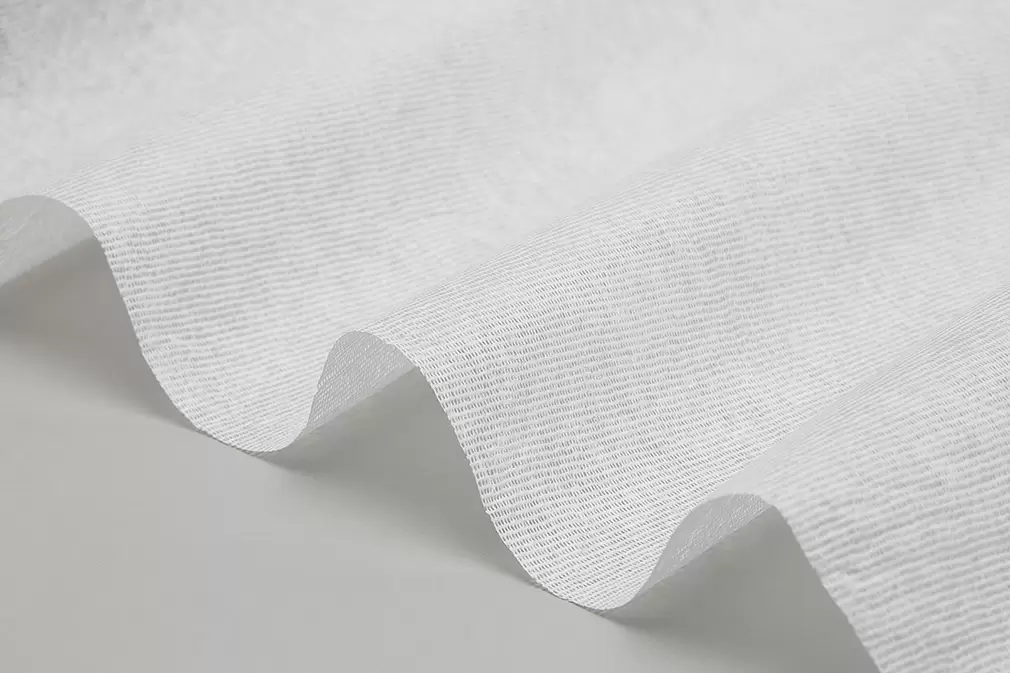


From the wet wipes in our bags to the facial masks in our skincare routines and the sanitary pads used for personal care, cotton nonwoven fabrics are the backbone of modern hygiene.
As environmental awareness grows among consumers worldwide, the impact of raw material sources on quality and sustainability has come under intense scrutiny.
Understanding the nuances of organic cotton vs conventional cotton is no longer just for environmentalists, but a critical business decision. So, what separates organic cotton vs cotton in nonwoven fabric? Let’s find out.
What is Conventional Cotton?
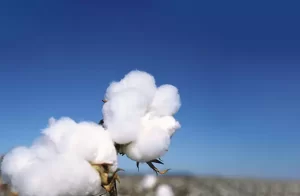
Conventional cotton is grown using established industrial farming methods. To maximize yield and control pests, farmers typically use genetically modified seeds, synthetic fertilizers, and potent chemical pesticides and herbicides. The cultivation process is resource-intensive, requiring significant amounts of water.
After harvesting, the raw cotton undergoes extensive processing. This includes ginning to separate fibers and a series of chemical treatments for scouring, bleaching, dyeing, and finishing.
In the context of nonwoven fabrics, conventional cotton provides a familiar, versatile, and cost-effective raw material. Its fibers are used to create webs that are bonded together mechanically, chemically, or thermally to form the fabric.
However, the chemical footprint from its cultivation and processing remains a significant concern.
What is Organic Cotton?
When we discuss organic cotton vs cotton, the primary distinction lies in the agricultural philosophy. What makes cotton organic?
Farmers use non-GMO (Genetically Modified Organisms) seeds and natural practices like composting and crop rotation to maintain soil fertility. Pest control is managed through natural predators and biological pesticides, prohibiting the use of synthetic chemicals. Water management is also more conscious, relying more on rainwater.
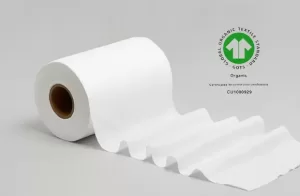
To be truly “organic,” the material must be certified by international bodies. GOTS is the gold standard for organic fibers. It requires at least 95% organic fiber with the remaining portion meeting GOTS standards, and mandates strict environmental and social criteria throughout the supply chain.
Other criteria include:
- OEKO-TEXCertification: Ensures the final organic cotton material is free from harmful substances, making it safe for human use.
- 100% Biodegradability:Since it is free from synthetic reinforcements or chemical coatings, it breaks down naturally, leaving no microplastics behind.
- No Chemical Additives:The fabric is 100% pure cotton, avoiding residues from pesticides, fertilizers, and processing chemicals like chlorine bleaches.
- Hypoallergenic Properties:Because it is free from pesticide residues and harsh bleaches, it reduces the risk of skin irritation, rashes, or allergic reactions.
Organic Cotton vs. Conventional Cotton Nonwoven Fabric
The following table compares organic cotton vs conventional cotton across six critical dimensions of nonwoven production.
| Category | Conventional Cotton Nonwoven | Organic Cotton Nonwoven |
| Raw Material Source | Uses GMO seeds designed for high-volume yield and pest resistance. | Uses non-GMO seeds, preserving genetic diversity and fiber purity. |
| Chemical Usage | Use of synthetic pesticides, herbicides, and fertilizers; bleached with chlorine. | Zero synthetic chemicals; uses biological pest control, crop rotation, and composting. |
| Environmental Impact | High water consumption; soil runoff; greenhouse gas emissions; synthetic chemicals may affect soil and human health. | Less irrigation water; less greenhouse gas emissions; no chemical impact. |
| Traceability | Often lacks a transparent supply chain; difficult to track the origin. | Full supply chain transparency verified by GOTS. |
| Safety | Risk of residual pesticides; may cause irritation on sensitive skin. | Organic cotton material is hypoallergenic and free from toxic residues. |
| Product Performance | Superior softness and breathability; retains natural fiber strength and high absorbency. | Superior softness and breathability; retains natural fiber strength and high absorbency. |
While the physical specifications, such as fiber lengths and strength, are technically similar, the gentler processing of organic cotton ensures a more durable and comfortable product. When weighing cotton vs organic cotton, the performance stability of organic fibers often results in a higher-quality nonwoven fabric.
What are the Applications of Organic Cotton Nonwoven Fabric?
Due to its purity and performance, organic cotton nonwoven fabric is the preferred choice for premium products.
- Sanitary Pad Top Sheet:The most sensitive area of the body needs a chemical-free surface. Organic cotton provides a dry, breathable, and soft interface that reduces irritation.
- Baby Diapers:Infants have skin that is thinner than adults. Using organic cotton in the top sheet prevents diaper rash and chemical exposure.
- Adult Incontinence Products:For elderly users with fragile skin, the hypoallergenic nature of organic cotton is a significant upgrade over synthetic or conventional alternatives.
- Medical Bandages:In wound care, chemical-free is essential to prevent infection. Organic cotton gauze and bandages provide a sterile, high-absorbency environment for healing.
- Beauty and Skincare Products:High-end facial masks and makeup remover pads utilize organic cotton to ensure that no agricultural chemicals interfere with the active ingredients in the serum and avoid irritation.
- Industrial Cleaning Materials:For high-precision electronics or cleanroom environments, the low-linting and high-strength nature of cotton spunlace makes it an ideal sustainable cleaning tool.
100% Organic Cotton Fabric Nonwoven Wholesale
For brands and distributors looking to make an organic shift, choosing Winner Nonwovens as your partner provides a competitive advantage. We offer 100% organic cotton spunlace nonwoven fabric that is certified by GOTS and OEKO-TEX.
The fabric is bonded through a high-pressure spunlace process without any chemical additives, ensuring 100% biodegradability and super hypoallergenic. It features excellent absorbency and release properties along with softness, making it ideal for use in personal care, baby care, medical applications, and other products designed for direct skin contact.
In the competitive landscape of organic cotton vs regular cotton, offering organic products demonstrates your brand’s commitment to sustainability.
Contact Winner Nonwovens now if you have any needs!
Conclusion
The organic cotton vs conventional cotton debate centers on environmental impact and safety. Conventional cotton carries hidden risks. Organic cotton nonwoven fabric offers purity, safety, and sustainability without sacrificing performance.
For businesses, choosing organic is a powerful investment in quality, consumer trust, and a healthier planet.