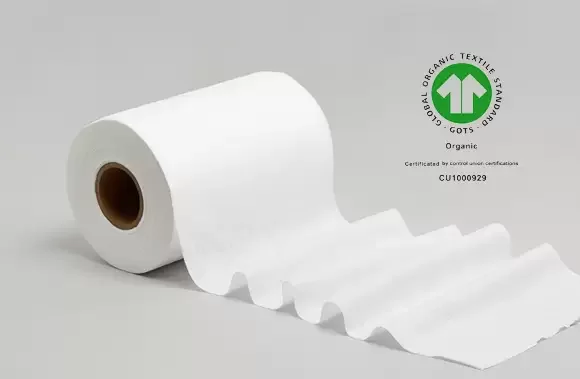


The materials that compose facial masks play a crucial role in their effectiveness and comfort. Among the diverse range of options available, unbleached cotton stands out as a preferred choice for many manufacturers, including Winner Nonwovens. Understanding what these facial mask materials comprise can help consumers make informed decisions about their safety and usability.

A Closer Look at Common Materials
Facial masks can be made from various materials, each offering unique benefits. Nonwoven fabrics are among the most commonly used because of their durability and breathability. These synthetic fibers allow for excellent filtration while remaining soft against the skin. Additionally, reusable masks often incorporate layers of unbleached cotton, which is renowned for its hypoallergenic properties, making it suitable for individuals with sensitive skin.
Other materials, such as polypropylene and polyester, are also used in disposable masks due to their lightweight nature and improved filtration efficiency. However, unbleached cotton appeals to environmentally-conscious consumers, as it is biodegradable and free from harmful chemicals typically found in bleached fabrics.
The Benefits of Unbleached Cotton
Unbleached cotton is an organic choice that not only contributes to sustainability but also offers comfort. Masks crafted from this natural fabric are breathable, ensuring that wearers can use them comfortably for extended periods. Additionally, its absorbent quality helps manage moisture, reducing the discomfort associated with prolonged mask wear.
Furthermore, unbleached cotton’s natural fibers provide effective filtration, making it a reliable option for everyday use. Many manufacturers, including us at Winner Nonwovens, prioritize unbleached cotton in our products to deliver safe and effective solutions for mask-wearing.
Conclusion
At Winner Nonwovens, we are committed to providing high-quality facial mask materials that prioritize both safety and comfort. Our dedication to using unbleached cotton reflects our values of sustainability and health. By understanding the materials behind your facial masks, you can make better choices for yourself and the environment. Join us in embracing eco-friendly solutions that don’t compromise on quality.