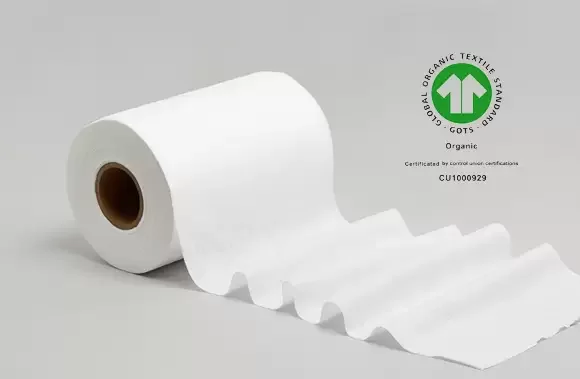


The distinction between 100% organic cotton and 100% cotton is vital for businesses sourcing fabric, particularly in the realms of organic cotton fabric wholesale and cotton nonwoven products. Understanding these differences not only affects product quality but also impacts consumer perceptions and market demand. As an industry leader, Winner Nonwovens recognizes the significance of this knowledge for textile manufacturers and retailers.
Defining Organic Cotton vs. Conventional Cotton
To begin with, the primary difference lies in how each type of cotton is cultivated. 100% organic cotton is grown without the use of synthetic pesticides, fertilizers, or genetically modified organisms (GMOs). This sustainable farming method promotes soil health, biodiversity, and eco-friendliness. On the other hand, 100% cotton may be produced using conventional farming practices that can involve the use of harmful chemicals, which can have adverse effects on both the environment and human health.
Consumers are increasingly seeking out organic options due to heightened awareness regarding sustainability and health. Thus, businesses should be aware that labeling products as “organic cotton” can boost their appeal when targeting eco-conscious consumers. The increased demand for organic cotton fabric wholesale provides an opportunity for manufacturers to cater to this market segment effectively.
Quality Considerations and Market Trends
Another important aspect to consider is the quality of the final product. While both organic and conventional cotton can be soft and durable, organic cotton is often perceived as higher quality due to its natural cultivation methods. Furthermore, producing cotton nonwoven fabrics from organic materials can enhance the appeal of products in various applications, from personal hygiene items to automotive interiors.
At Winner Nonwovens, we are committed to offering the best in both organic and conventional cotton options, ensuring our partners have access to high-quality materials that meet diverse market needs. By understanding the distinctions between 100% organic cotton and 100% cotton, we can better navigate the evolving landscape of consumer preferences and promote sustainable solutions within the textile industry. Together, let’s embrace these changes and contribute to a healthier planet.